MORE

A mix of projects from my first year at YRGO, Computer Graphics Design, including digital asset creation, camera matching, and projects in lighting.

A mix of projects from my first year at YRGO, Computer Graphics Design, including digital asset creation, camera matching, and projects in lighting.

ASSET

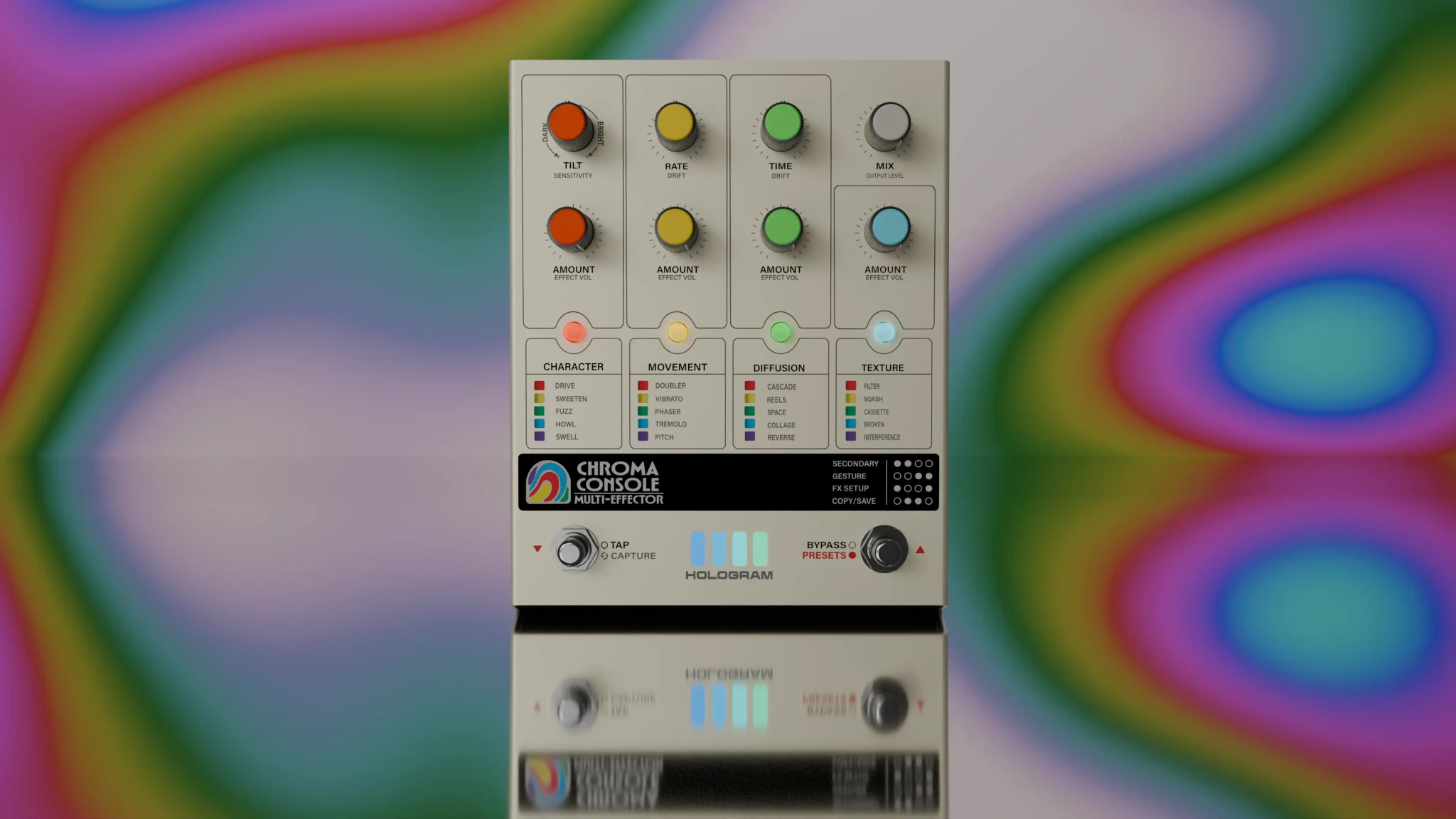
Digital asset creation. Here, the focus was to create a realistic 3D model using real world references, whilst taking file-size, such as mesh and texture data, into consideration. I chose to create Hologram Electronics multi-effect pedal, which I modeled using CAD and Blender. I used Substance Sampler to create a mix of 256x256 and 512x512 normal maps for UV tiling in Blender, and Illustrator to create text and decals.

CAMERA MATCH

This assignment taught us to use camera matching to integrate 3D objects to a 2D image. The three examples showcased here are of an AI generated image, a picture taken by myself of a location in Gothenburg, and an image taken in a group where we also created our own HDRI.


I used Autodesk Fusion 360 to create the main body of the model aswell as larger components. Blender was used to create smaller details and more intricate parts such as the top adjustment knobs, middle slider, gauges, portafilter and group head. In Substance Sampler I mixed materials untill I had a satisfactory material finish, of which I exported the normalmaps and integrated them with Blenders node shaders. Decals and text was created in Illustrator by importing fonts, finding color values and closely following referenses. For the final touches I used Premiere Pro to adjust the timing to music and add effects such as sharpness, noise and bloom.

I used Autodesk Fusion 360 to create the main body of the model aswell as larger components. Blender was used to create smaller details and more intricate parts such as the top adjustment knobs, middle slider, gauges, portafilter and group head. In Substance Sampler I mixed materials untill I had a satisfactory material finish, of which I exported the normalmaps and integrated them with Blenders node shaders. Decals and text was created in Illustrator by importing fonts, finding color values and closely following referenses. For the final touches I used Premiere Pro to adjust the timing to music and add effects such as sharpness, noise and bloom.

LIGHTING

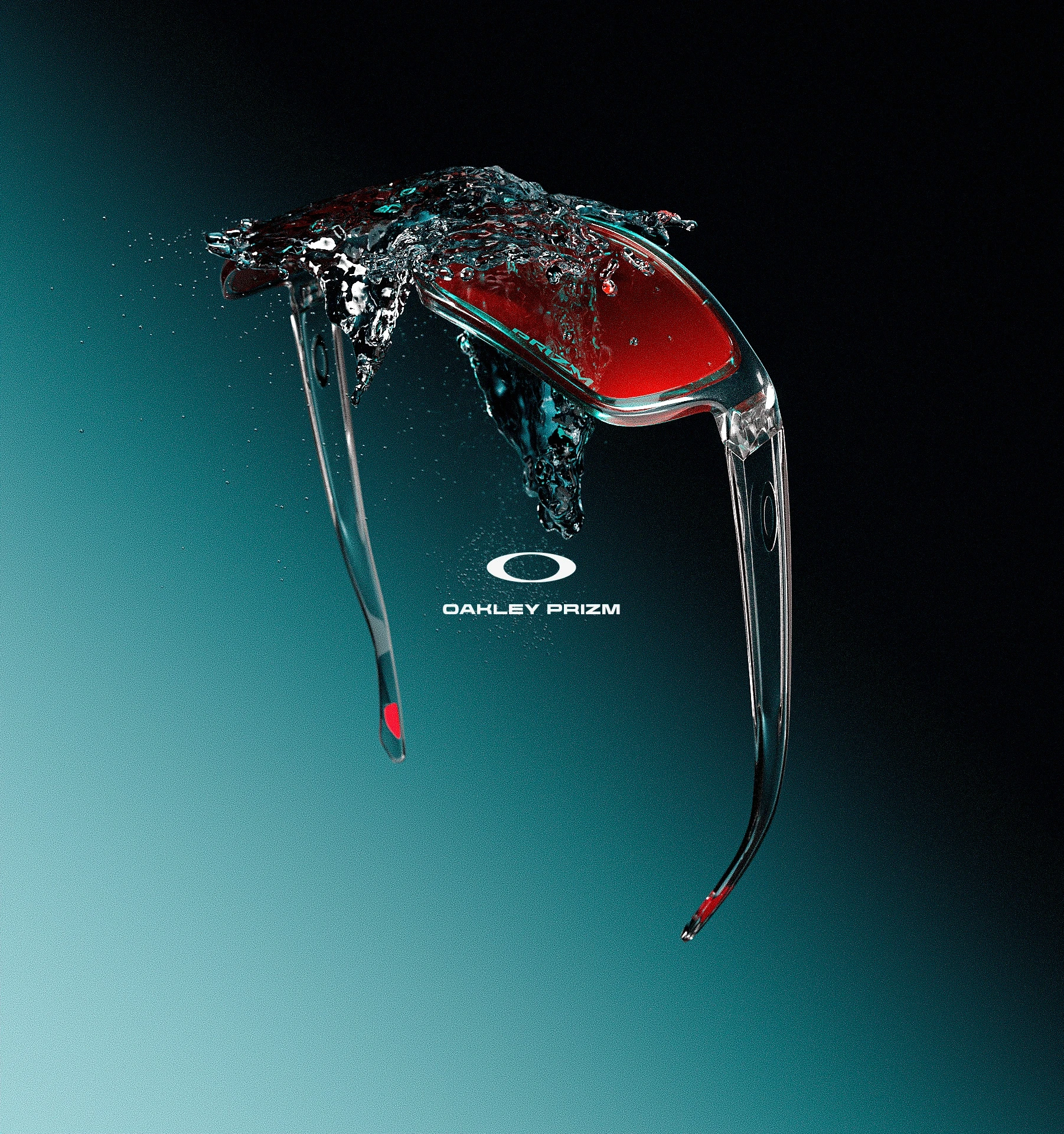
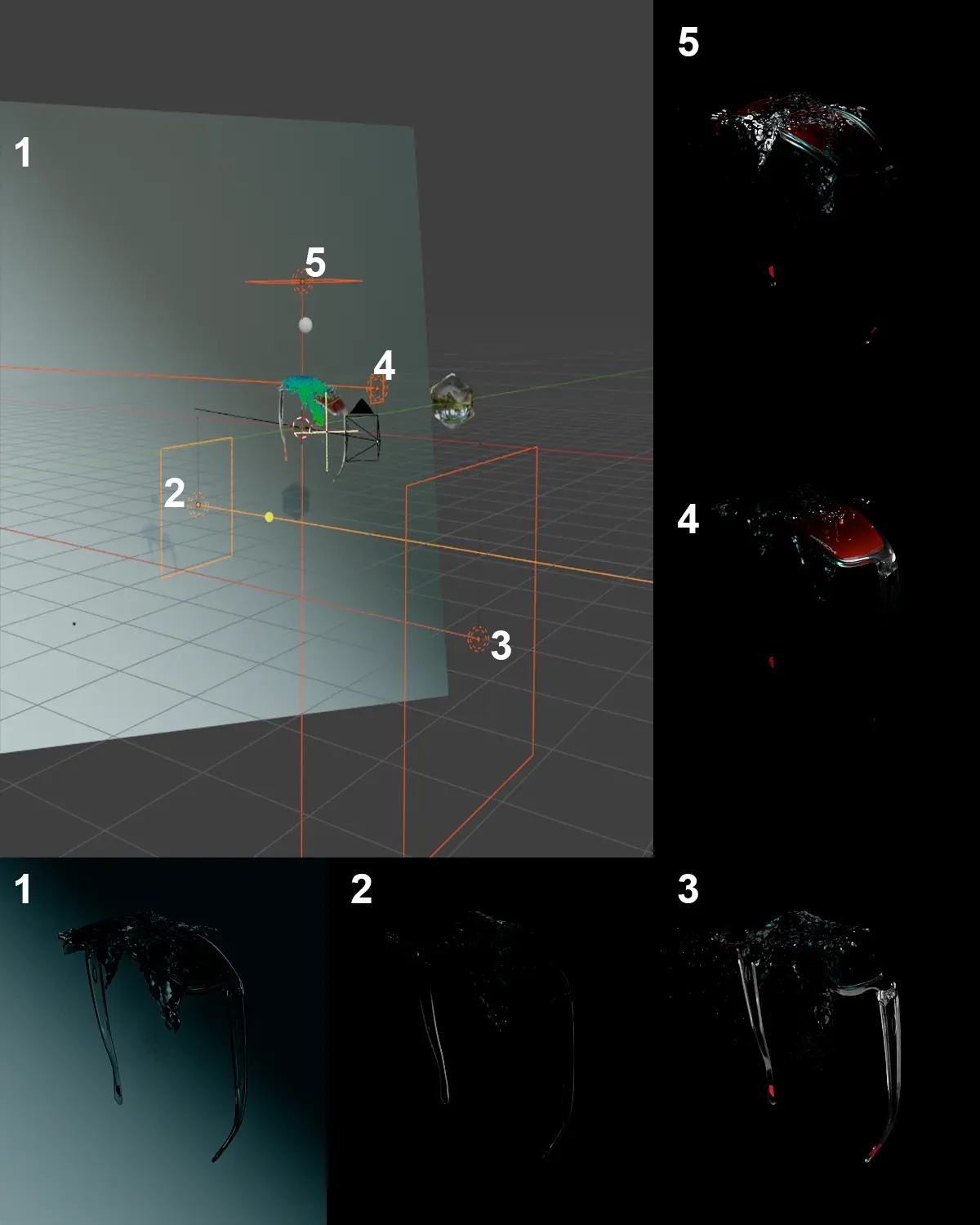
During two separete occations, as a class, attended lectures in a photography studio where we lernt more about lighting different objects and using elements, such as water, fire and smoke, to create product photos. This image is one of three results, focusing on using Blender to create water simulations and lighting. A first iteration was created, viewed by a feedback group at two different occations, and later altered accoring to feedback.


The planning for the project, concsiting of creating an estimated timeframe, timereport sheet and moodboard, took a combined 6 hours. The modelling stage, including modelling, uv-mapping and texturing, took a total of 42 hours, with modelling being the largest part, concisting of 29 hours. Lastly, production and post, concisting of a motion and material preview, lighting, animation, and post processing came to a combined 25 hours.

The planning for the project, concsiting of creating an estimated timeframe, timereport sheet and moodboard, took a combined 6 hours. The modelling stage, including modelling, uv-mapping and texturing, took a total of 42 hours, with modelling being the largest part, concisting of 29 hours. Lastly, production and post, concisting of a motion and material preview, lighting, animation, and post processing came to a combined 25 hours.

SIMON TORSTENSSON

CONTACT

Mail: simonjern@outlook.com

Tel: 0701132999

SOCIAL

Instagram

Pintrest

Spotify

OTHER

Cv

Create a free website with Framer, the website builder loved by startups, designers and agencies.